Tag: snow

  • The Seasons Of Change

    The last couple of weeks have been full of changes—some more in mindset and action than in actual circumstance. Last week I believed winter took its last shot at the Northeast as it dropped a blizzard on us. Same tempo as most bigger storms: fuel, grease, oil, get the salt, and then begin sitting and waiting.

    Since I last posted, I’ve had time to think about a lot and reach out to friends. Some got back to me. Some have decided they no longer want to speak to me. While that stings more than I’m ready to explain, it occurs to me that perhaps they have their reasons. But whatever the reason is, it better be a good one—and if it’s not, then when and if they decide to “come back,” I may not be there waiting like a revolving door.

    What really bothers me lately is hearing from a friend who is possibly in the middle of a pretty intense dating scam. While they haven’t given the person any money, the requests keep coming. From the texts they’ve shown me, the pattern is always the same: ask for money, and when they don’t get it, immediately move to guilt trips, lashing out, and then apologizing—over and over again—in an attempt to wear them down until they finally send something.

    It’s something I will never understand. Why do people have to be that way? Why try to take advantage of someone like that?

    One of the messages said, “I’m out of gas, just $10 will get me home.” My friend wrote back, “I’m actually in the town you say you’re in right now. I’ve got a gas can—why don’t I just bring you gas?”

    Of course, that wasn’t the answer they were expecting. The story shifted, the excuses started, and suddenly it didn’t make much sense why meeting up wasn’t possible anymore. Funny how quickly things change when someone realizes the person on the other end isn’t going to play along.

    But maybe that’s part of the season of change too—learning to see things for what they really are.

    Next week the forecast says temperatures near seventy. A week ago we were digging out from a blizzard, and now people are talking about opening windows and sitting outside again. That’s the Northeast for you. Winter hangs on like it never plans to leave, and then one warm stretch reminds you that spring was always on its way.

    At the campground, the same quiet places that sat buried under snow all winter will start coming back to life. In April the seasonals will start rolling in, unlocking campers that have sat closed up for months, airing them out and sweeping away the dust of winter. By May the gates will open for everyone else, and the empty roads will fill with the sounds of tires on gravel, kids on bikes, and the low hum of campfires starting up again.

    Places that sat silent all winter will suddenly feel alive.

    The funny thing about seasons is that they change whether you’re ready for them or not. Snow melts, roads dry out, and the world keeps moving forward. People do the same thing. Some show up again when the weather gets warm, some never come back, and some were only meant to pass through for a little while.

    And maybe that’s okay.

    Because just like the campground after a long winter, life has a way of opening back up again. The gates swing wide, the quiet fills with voices, and the places that felt empty start to feel like home again.

    The seasons change.

    And so do we.
  • The Calm After The Storm

    Morning: Small Routines, Big Responsibility

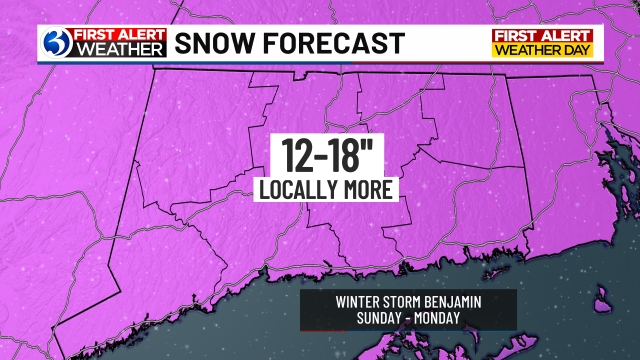
    January 26, 2026 started like any other winter day — salt in the back, coffee steaming in my hands, boots heavy with grit from yesterday’s plow. The wind bit at my face as I left the house, carrying the small routines that make life feel manageable while the world quietly prepares to punish you. On the news, they gave it a name: Winter Storm Benjamin. Thirty-six hours, they said. Like naming it made it manageable.

    I glanced at the fleet list. Five trucks. Two down. Three working. My chest tightened. Every route, every driveway, every expectation depended on nothing else failing. My phone buzzed with route updates, crew check-ins. I muttered under my breath, “Just make it through today. Just make it through today.”

    People say to rest before a storm. I couldn’t. My mind wouldn’t stop racing. I was responsible — not just for clearing snow, but for keeping the team moving, keeping the streets safe, keeping my family in the game.


    Midnight: Hopes Shattered

    By midnight, the storm wasn’t the only thing closing in. We still had two trucks, and for a moment, hope existed — fragile, but real. Maybe we could make it through without losing more ground.

    Then ten minutes later, my phone rang again. “Dad’s truck’s out.” My stomach sank. Two had become one.

    Before I could even process that, another call. My brother. Off a driveway, wedged between a tree and a light post, snow piling around him, waiting for a tow truck. One truck left. One. That’s all we had to carry the weight of every route, every sidewalk, every expectation still coming.

    I remember gripping the steering wheel, cold sweat on my palms, whispering, “Just keep going. You can handle this.” Panic hit like a punch to the chest, hollow and sharp, but the thread of determination refused to snap. What else could I do but move forward?


    The New Truck: Temporary Relief

    I was pulled off my route to retrieve the new truck — the one we had all agreed wasn’t ready for plowing. Not ideal. Not tested. But necessary. Snow whipped against the windows as I drove, visibility low, wind rattling the cab. I thought about the team relying on me, my father waiting for a tire replacement, my brother stuck, and the streets that needed clearing. There was no room to hesitate.

    Noon Monday — the truck was ready. Relief hit in brief flashes — chest loosening, shoulders easing just a little. I drove thirty minutes. It felt solid. Normal. I parked it and let myself believe, just for a moment, that maybe the worst was behind me. Foolish, maybe. But a spark of hope is always welcome.


    The Grind: Exhaustion Becomes Weight

    I slept seven hours because my body demanded it. Then I went right back out.

    Seven hours after parking the truck, I turned the key. Nothing. That hollow, almost-start — the pause where you bargain with an engine to come alive. It never did. Same problem. Same sinking realization. Towed. Again.

    I climbed into another truck. My shoveler never came back that night. From 7:45 PM Monday until 4:30 PM Tuesday, I kept going. Not fast. Not strong. Just steady. Snow crusted the plow edges. Wind rattled the cab. Exhaustion pressed into my bones. At some point, tired stops being something you feel and becomes something you carry, like a weight you can’t put down.

    4:45 AM Tuesday — my body finally demanded a reset. I pulled into a quiet parking lot, heart pounding, snow muffling the streets. Fifteen minutes. Eyes closed. Engine off. Just fifteen minutes of nothing — enough to remind myself I could survive another stretch.


    Recovery and Human Connection

    We survived. Everyone had been plowed twice. Sidewalks were still buried, still waiting, but we agreed they could wait until Wednesday. Sometimes “good enough” is all you have left. Sometimes it has to be enough.

    Tuesday night, I came home. Hot meal in hand. The smell of bread, the warmth of the kitchen, comfort I hadn’t felt in two days. I collapsed at 6 PM, out for eleven and a half hours. No dreams. No sound. Just rest. My body had shut itself down before my mind could catch up.

    When I woke, my phone told another story: thirty missed calls. Thirty voicemails. Over fifty texts. All asking about sidewalks. Pulling me back into the storm’s weight.

    Among them: a girl I’ve been talking to. Worried I might be hurt. Or worse. That hit differently. A reminder that while I was buried in responsibility, someone still cared about me. Someone saw me as a person, not just a worker. That human connection cut through exhaustion like a lifeline.


    Reflection: Lessons in Perseverance

    After another full day of shoveling and blowing, knowing tomorrow holds maybe four more hours before the paperwork begins — route sheets, notes, invoices — I feel every ounce of tiredness. But beneath it, a quiet thread of resolve hums. The snow will melt. The trucks will get fixed. Sidewalks will be cleared.

    And the news says another storm like this one is forming for the weekend. Another battle. Another stretch of relentless hours. But this time, I carry a small certainty: we’ll survive it again, like we did this time.

    I’ve learned something in these hours: surviving isn’t about perfection. It’s about showing up. About pushing through, again and again, even when your body screams no. About finding hope in the smallest moments — a hot meal, a text from someone who cares, a truck that finally starts.

    Even in the middle of exhaustion, with everything stacked against you, hope finds a way in. We’ll show up. We’ll endure. We’ll make it through. Again.

  • Winter Storm Prep: Behind the Scenes of Chaos

    Winter Storm Prep: Behind the Scenes of Chaos

    As we brace for the impact of another winter storm, I find myself doing the least dramatic kind of storm prep there is—sitting at a desk, calmly entering invoices from the last storms so I’m not buried in paperwork later. It’s the quiet side of the work that nobody sees. The part that isn’t lights, plows, or white knuckles—just numbers, dates, and the steady rhythm of getting ahead of the mess before it becomes a mess.

    Dad’s home from the hospital, eager to go to work and lend a hand. I’m grateful for that. Just having him home changes the air in the room. It doesn’t fix everything, but it steadies things.

    And of course, winter has a way of reminding you who’s in charge.

    Today was supposed to be simple. A breather. A day to catch up, double-check the plan, and ease into the weekend with a little bit of confidence. Instead, it turned into one of those days where the clock feels like it’s sprinting and you’re stuck chasing it in work boots.

    Because on top of everything else, my truck decided to break last night—right at the Mobil.

    It was one of those moments that starts out as an inconvenience and quickly becomes a problem. It would crank, tease like it wanted to start, and then nothing. The kind of situation where you stand there running through possibilities you don’t want to think about. Maybe it’s something simple—maybe it’s just a bad fuel pump relay. The kind of fix that makes you shake your head, swap the part, and move on with your life. Or maybe it’s not simple at all. Maybe it’s something deeper, something expensive, something that waits until the worst possible moment to make itself known. Only time will tell.

    Either way, it wasn’t moving. So it got towed from the Mobil, and just like that there goes $160—gone before the storm even shows up, gone before the real work even starts. It’s a small number in the grand scheme of things, but it’s also not. It’s the price tag on “not today,” the fee for being reminded that winter doesn’t just take your time—it takes little bites out of everything.

    By morning, the calm plan I had in my head was already dead.

    The invoices got pushed aside. The neat mental checklist turned into a scavenger hunt. Gloves on, gloves off. Tools out. Tools missing. One phone call turns into three. One quick fix turns into “well that’s not good.” And meanwhile the forecast is sitting there like a deadline you can’t negotiate with.

    Storm prep is always a little chaotic, but today felt personal.

    Trucks always choose the worst time to act up. The stuff that’s been “fine enough” all season suddenly isn’t fine at all when you actually need it. Something starts making a sound it shouldn’t be making. Something won’t prime. Something won’t hold pressure. Something throws a warning light like it’s announcing it has rights and it’s choosing to exercise them.

    And then there’s the salter—frozen up, locked down, refusing to cooperate like it’s protesting the entire concept of work. Nothing like standing there staring at a frozen salter, knowing full well the storm doesn’t care. The storm doesn’t care that it’s cold. It doesn’t care that you need a break. It doesn’t care that today was supposed to be calm. The snow will fall whether you’re ready or not, and the phone will ring whether you’re ready or not.

    So the day becomes motion.

    Not panic—motion. The constant kind that doesn’t leave room to overthink. You just keep moving because if you stop moving, you’ll feel the stress sitting on your shoulders. You’re thawing what shouldn’t be frozen, chasing down parts, rearranging plans, shifting trucks, checking routes, and doing the mental math that every storm operator knows by heart: If this is down, can we still run? If this fails at midnight, what’s the backup? If we lose this truck, how do we re-route without losing the whole night?

    It’s exhausting, and it’s familiar, and it always seems to happen on the day you expected the least resistance.

    That’s the part people don’t see. They see the plows after the storm, the cleared lots, the roads that look like magic happened overnight. They don’t see the scramble before the first flake falls. They don’t see the repairs you’re making in the cold with numb fingers. They don’t see the last-minute fixes, the tows, the frozen equipment, the “please just work for one storm” bargaining that happens in your head.

    And somehow, a day that was meant for rest and ease turns into a day of scrambling and prep—because winter doesn’t wait for you to catch your breath.

    Still, we’ll do what we always do.

    We’ll fix what we can, improvise what we can’t, and show up anyway. We’ll take the hits—broken trucks, frozen salters, surprise expenses—and keep moving forward because responsibility doesn’t pause just because you’re tired. The storm is coming, and whether we feel ready or not, we’ll meet it the way we always do: one problem at a time, one fix at a time, and one long winter day after another.

    Forecast graphic: WFSB Channel 3 (Gray Media). Used for commentary.